
Vehicle profile / 1932
Peugeot 301 C
Burgundy · Restoration complete
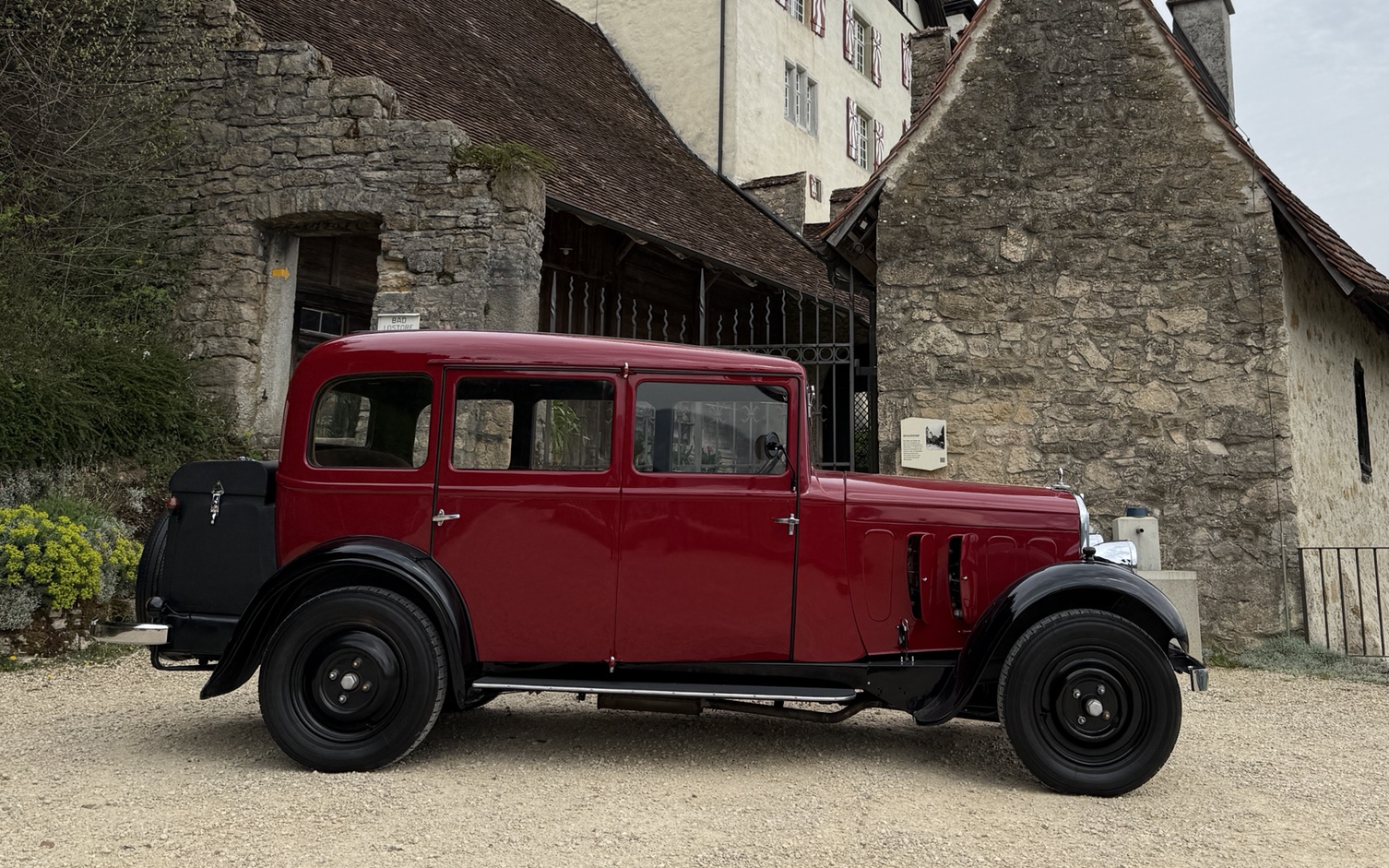
Slideshow at the castle · 2:31Play here
Open video fileA look under the bonnet · 0:22Play here
Open video fileRestoration
From the workbench to the castle.
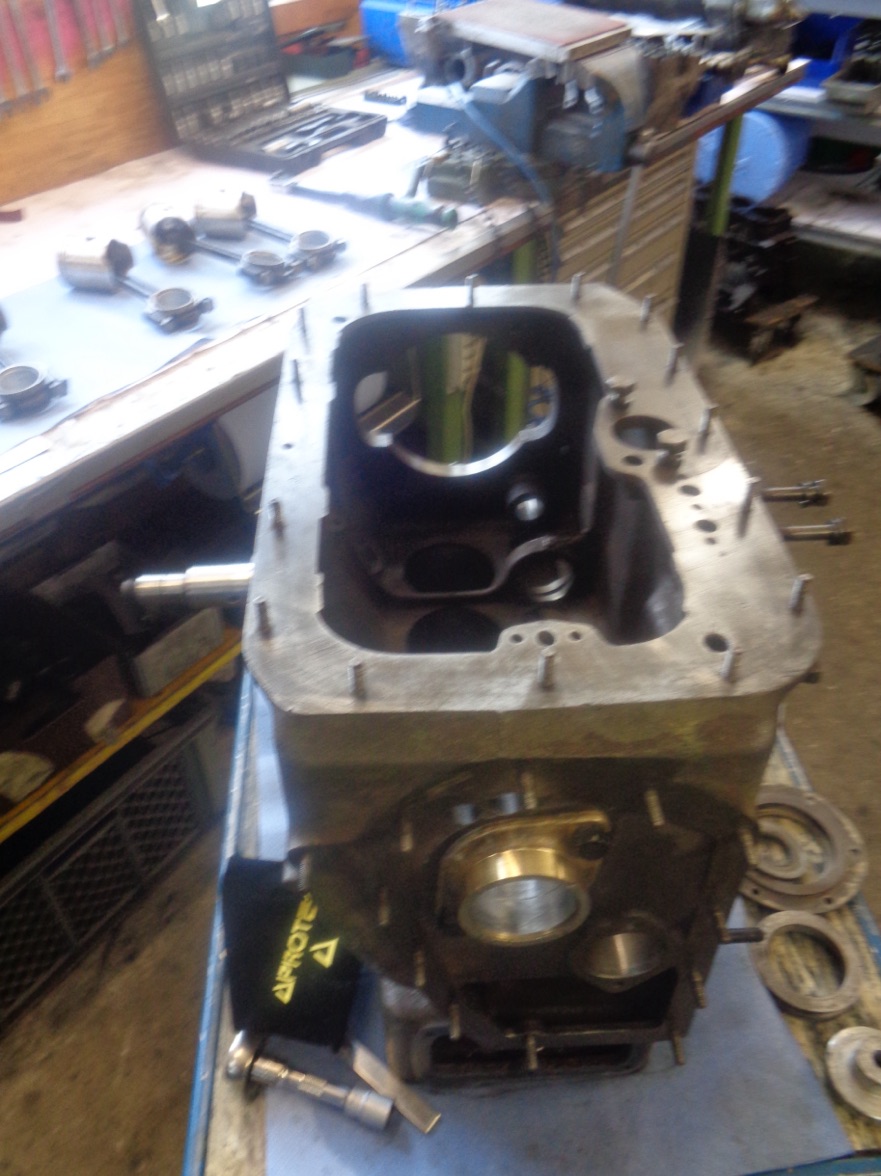
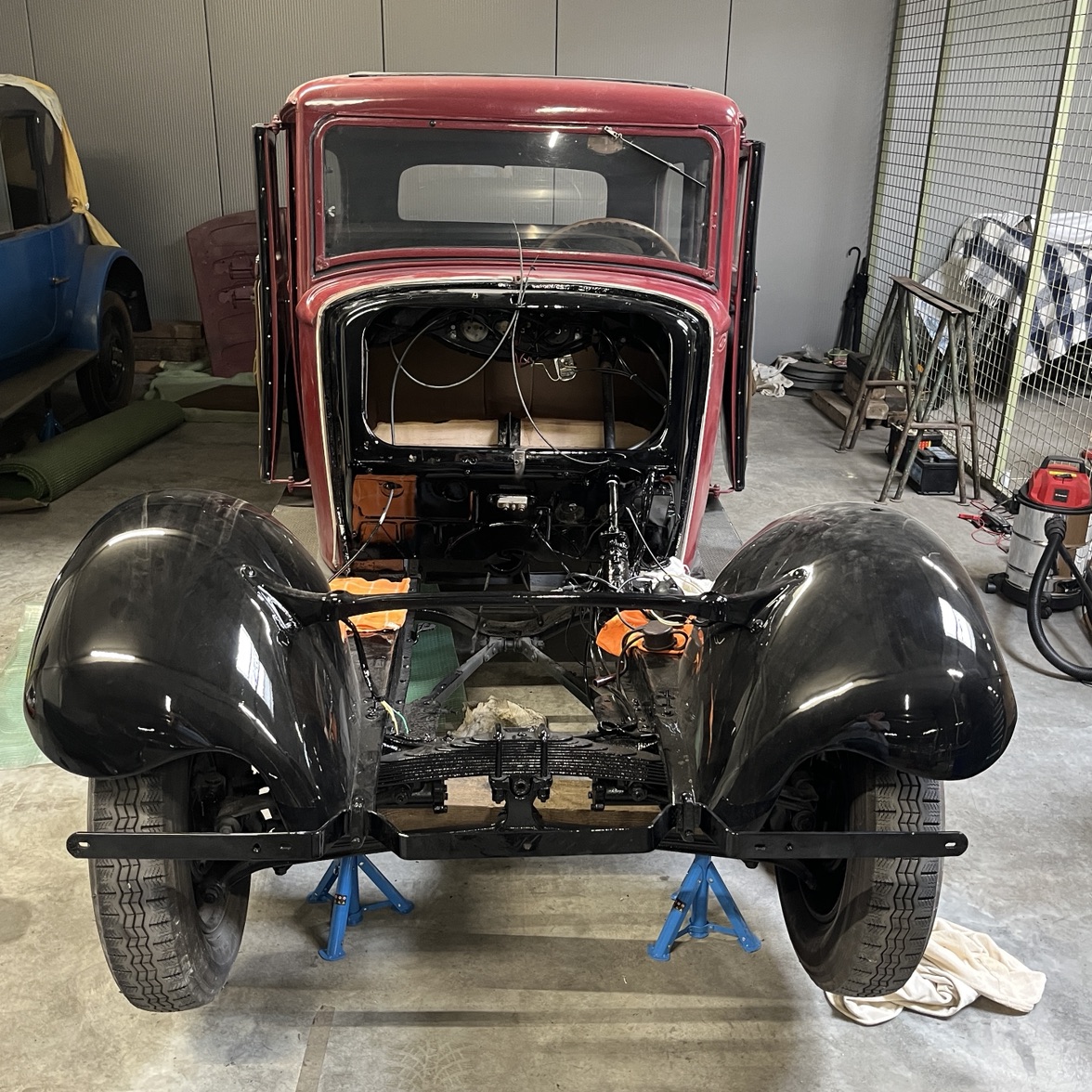
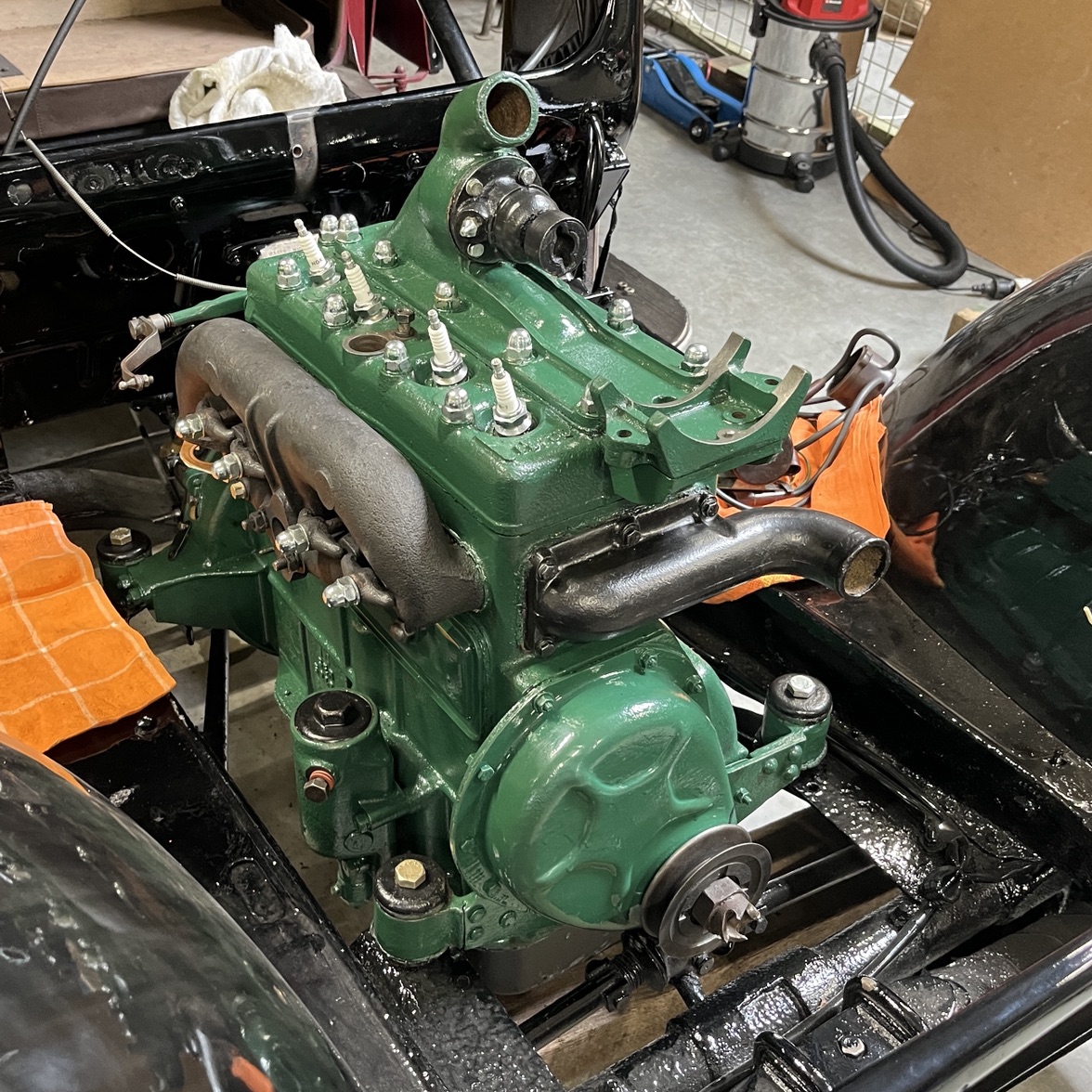
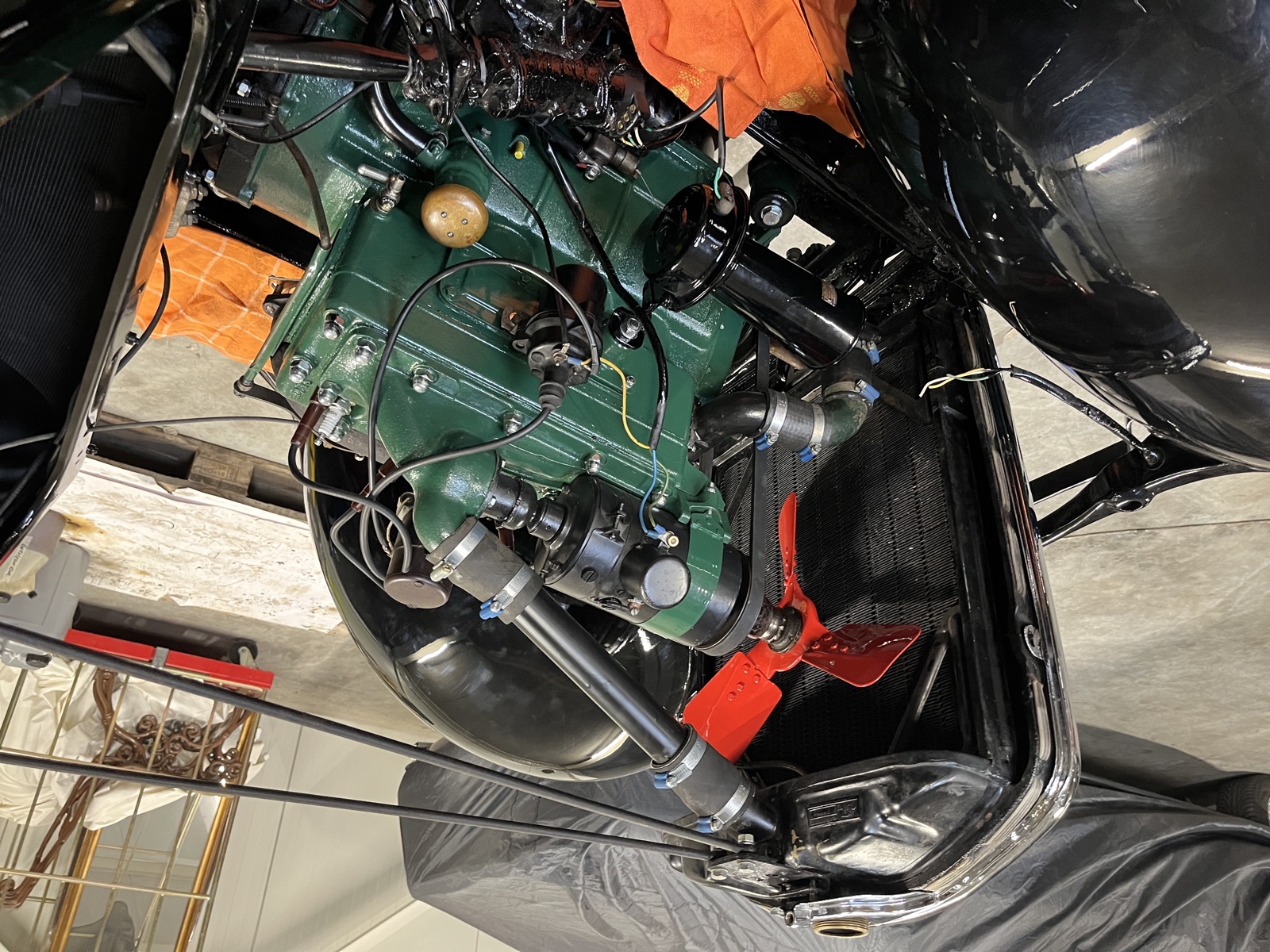
In the workshop, the engine bay stands empty. At the castle, the 301 C is whole again. The photos in between show the overhauled engine going back into the car.
Full overhaul, 2023–2025: the work went beyond the engine. The brakes and shock absorbers were rebuilt, the engine bay refurbished and repainted, and the body returned to burgundy. The brightwork was replated.
Watch the short film of the restored engine bay
01 Before restoration
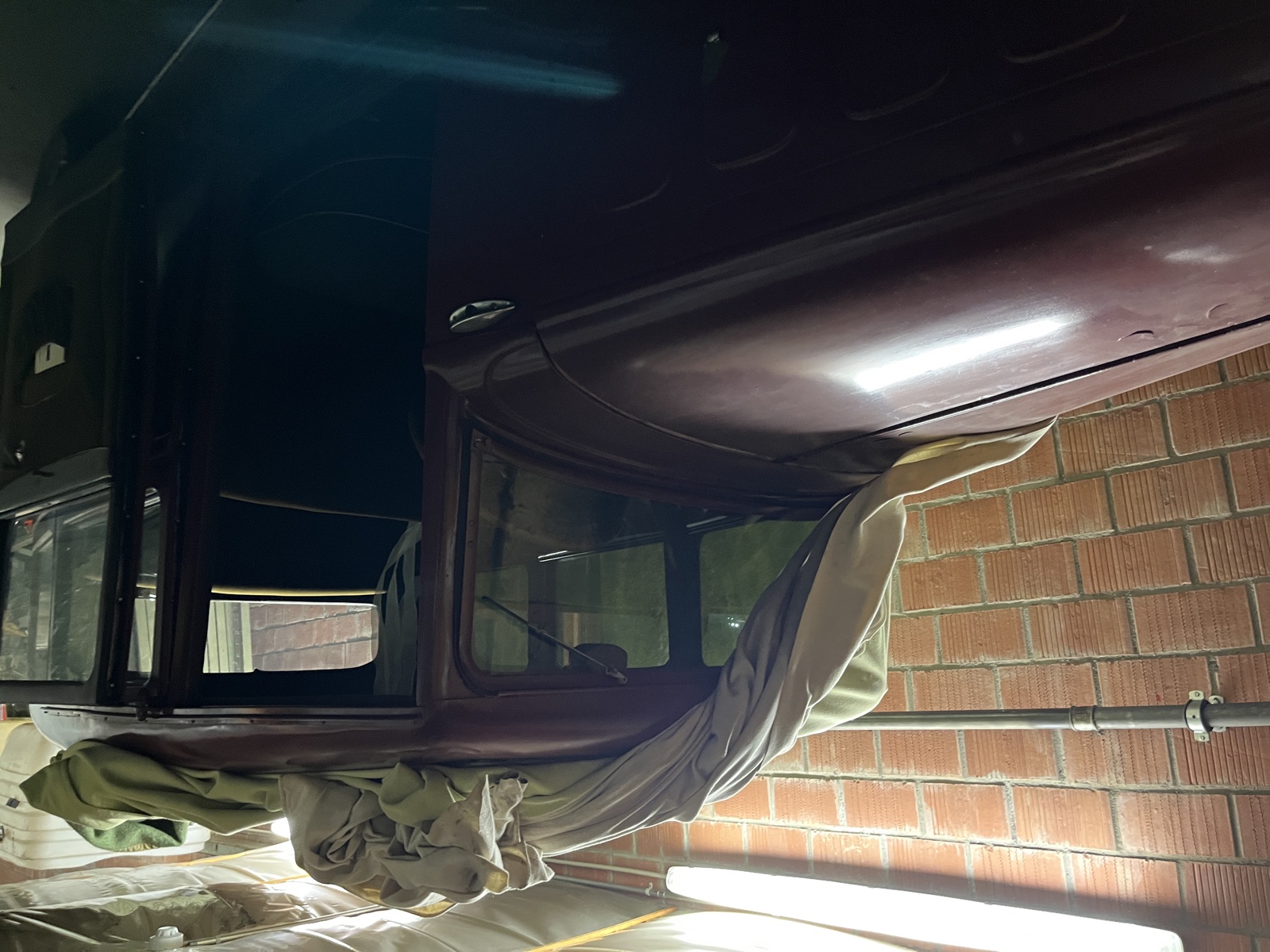
02 During restoration
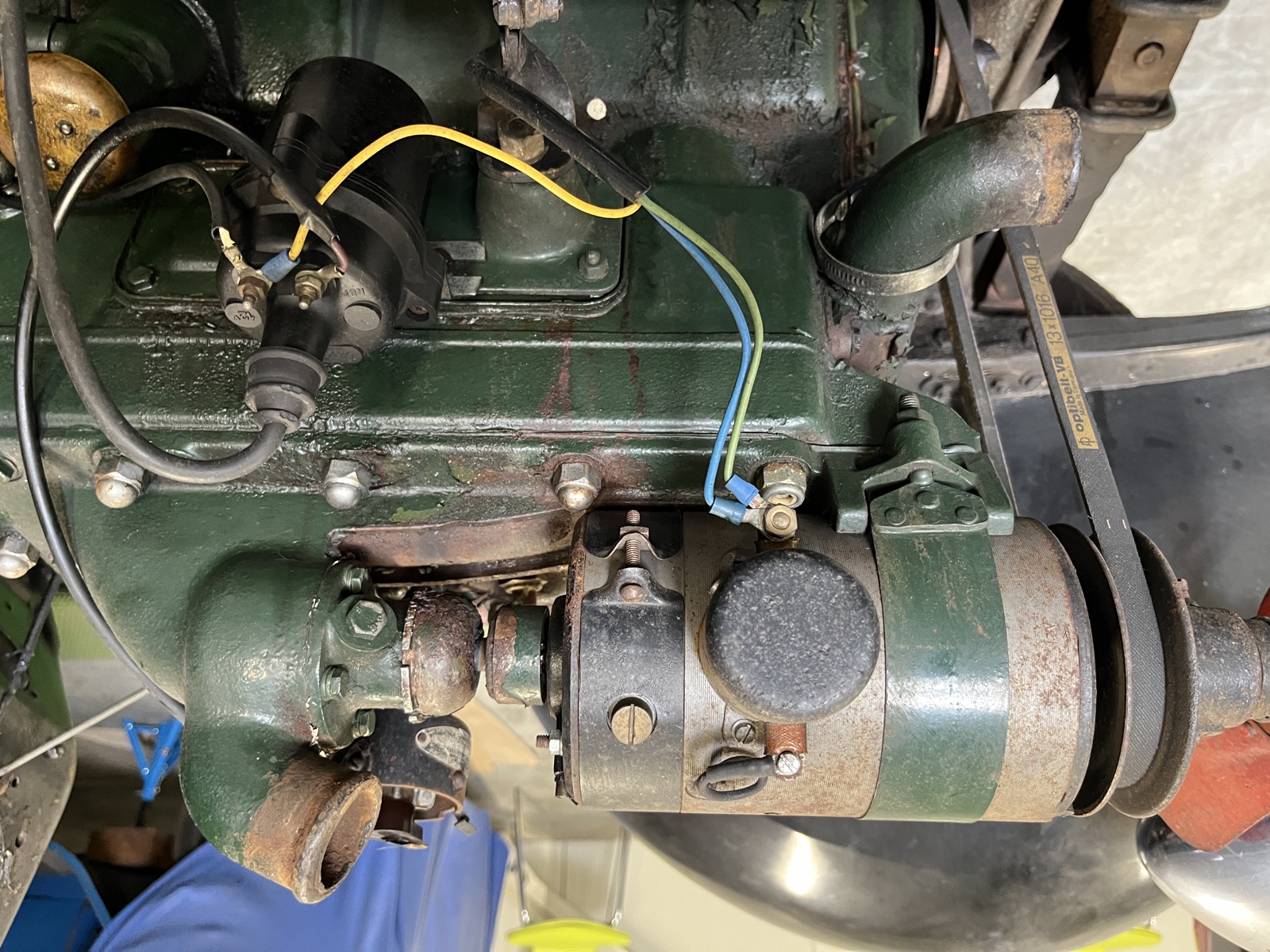
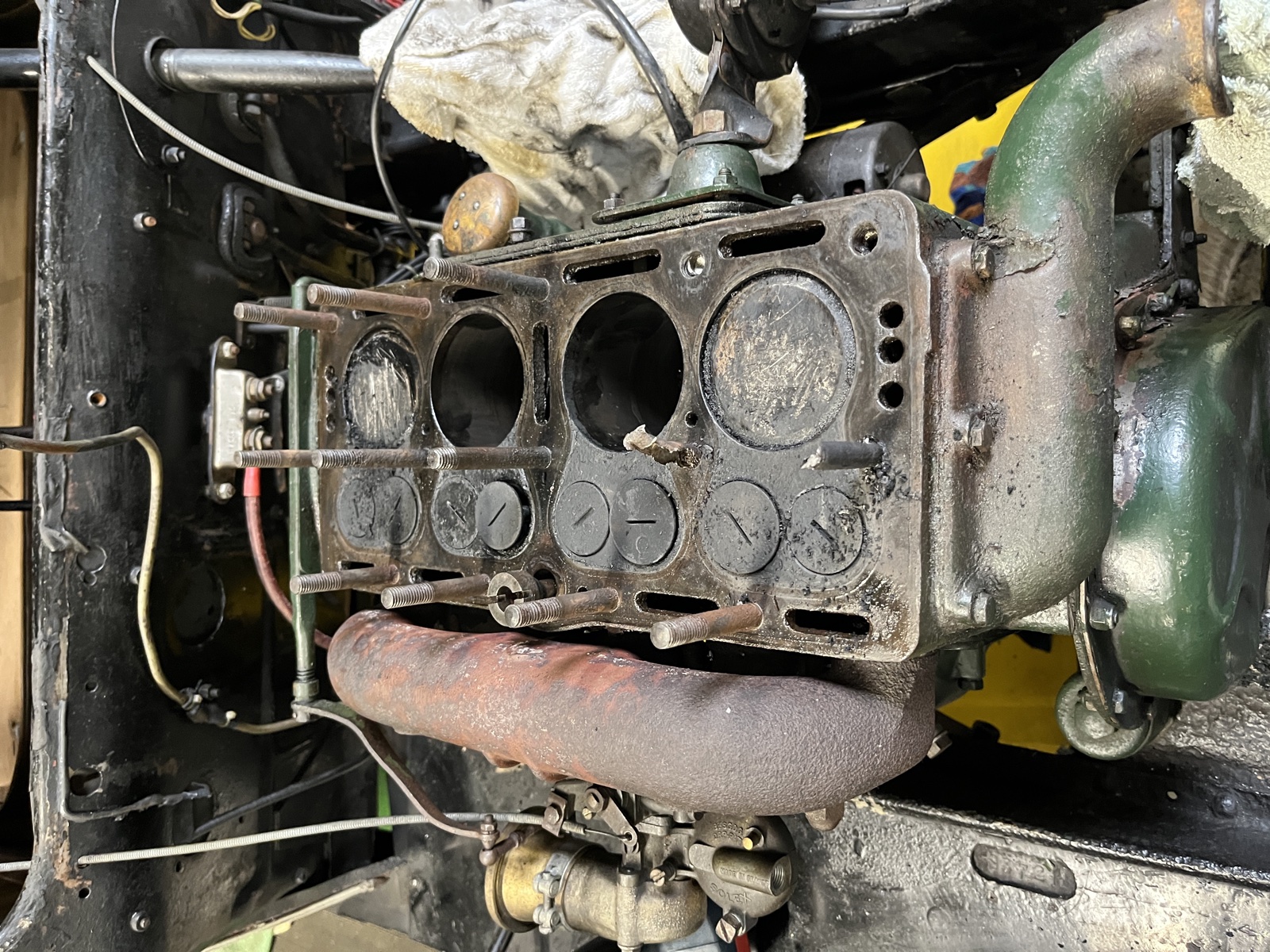
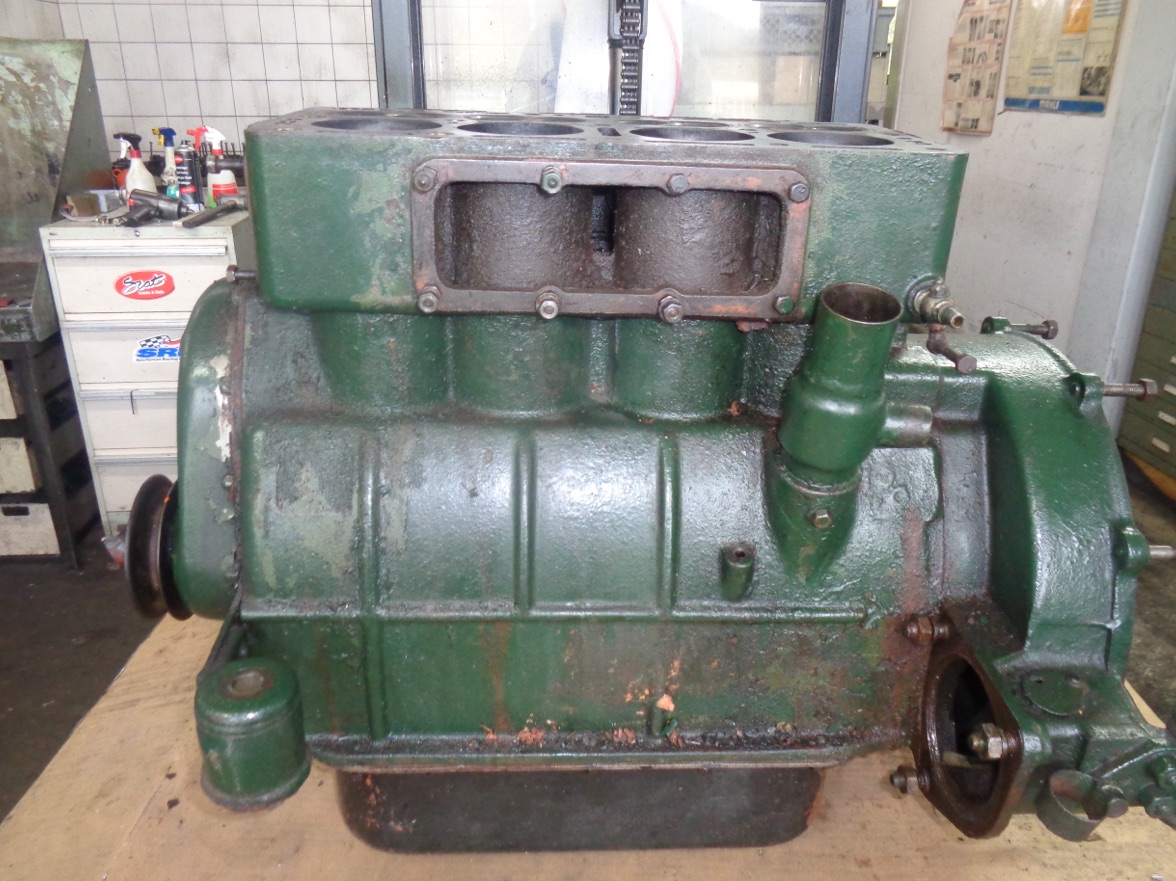
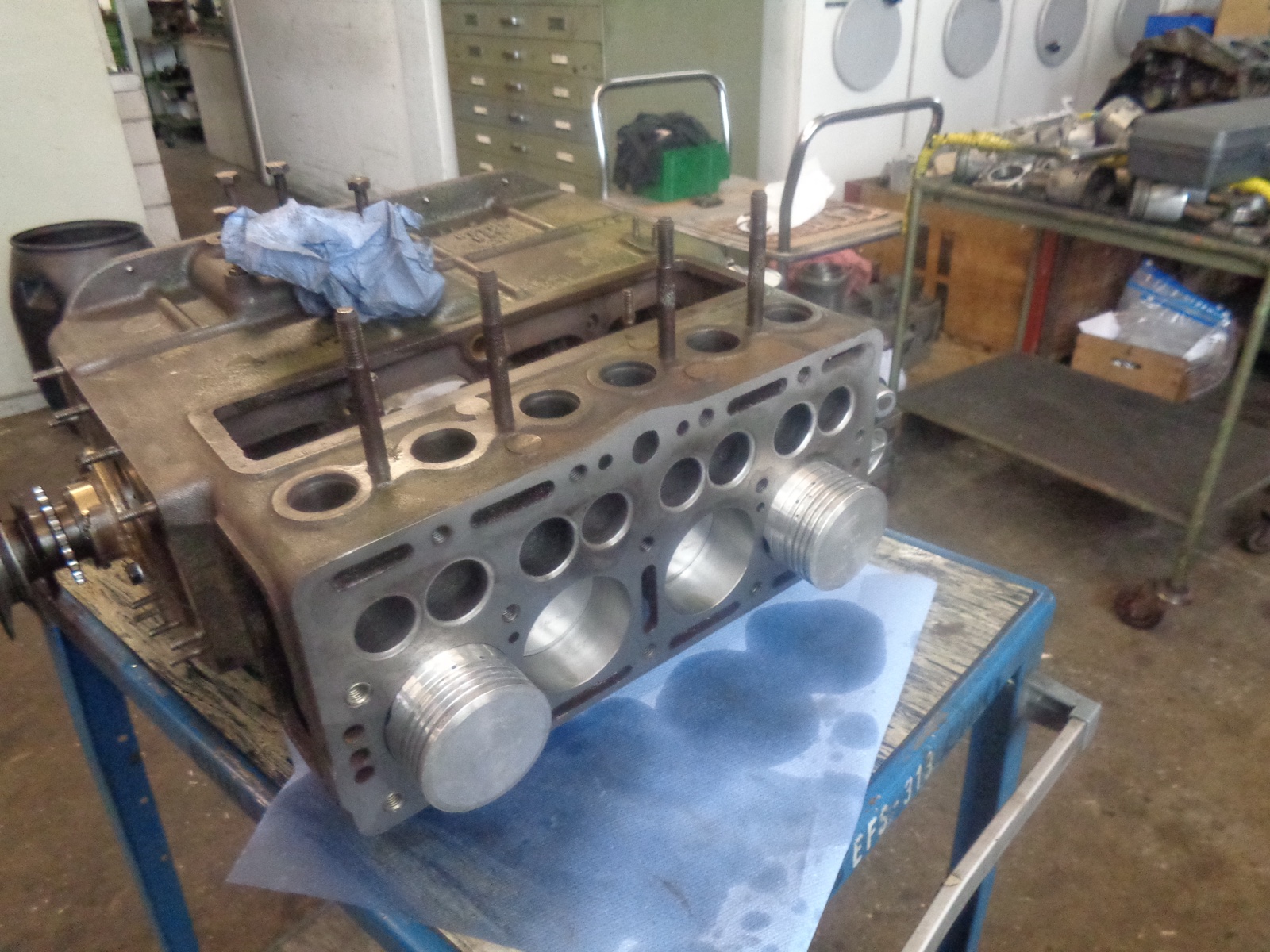
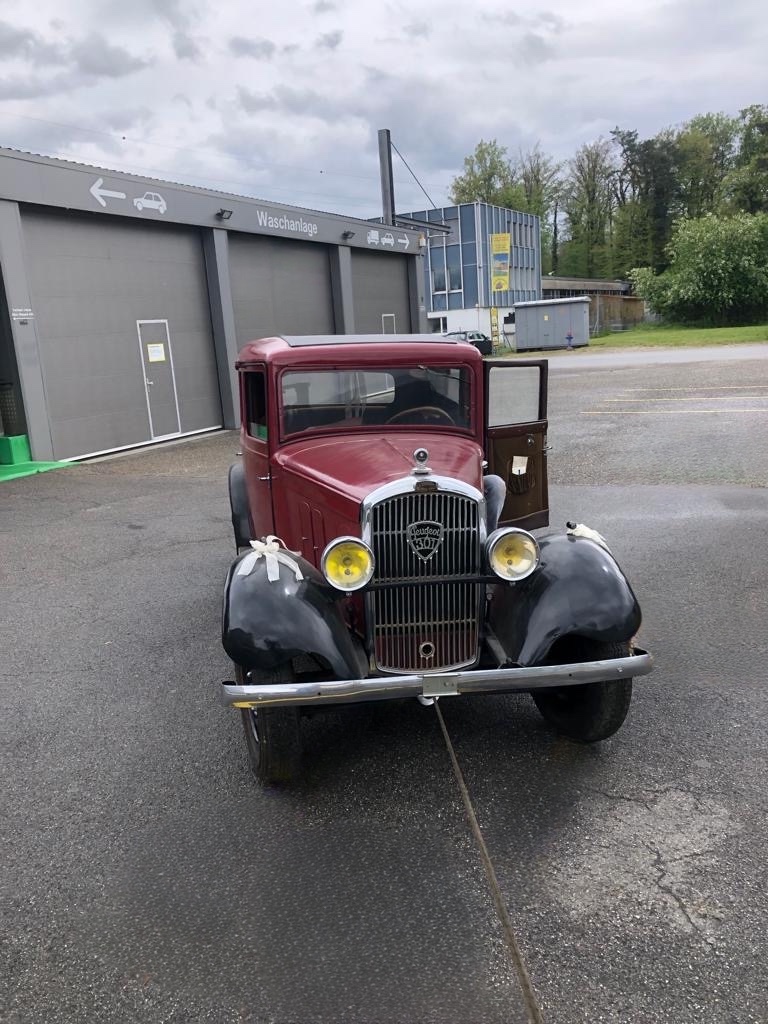
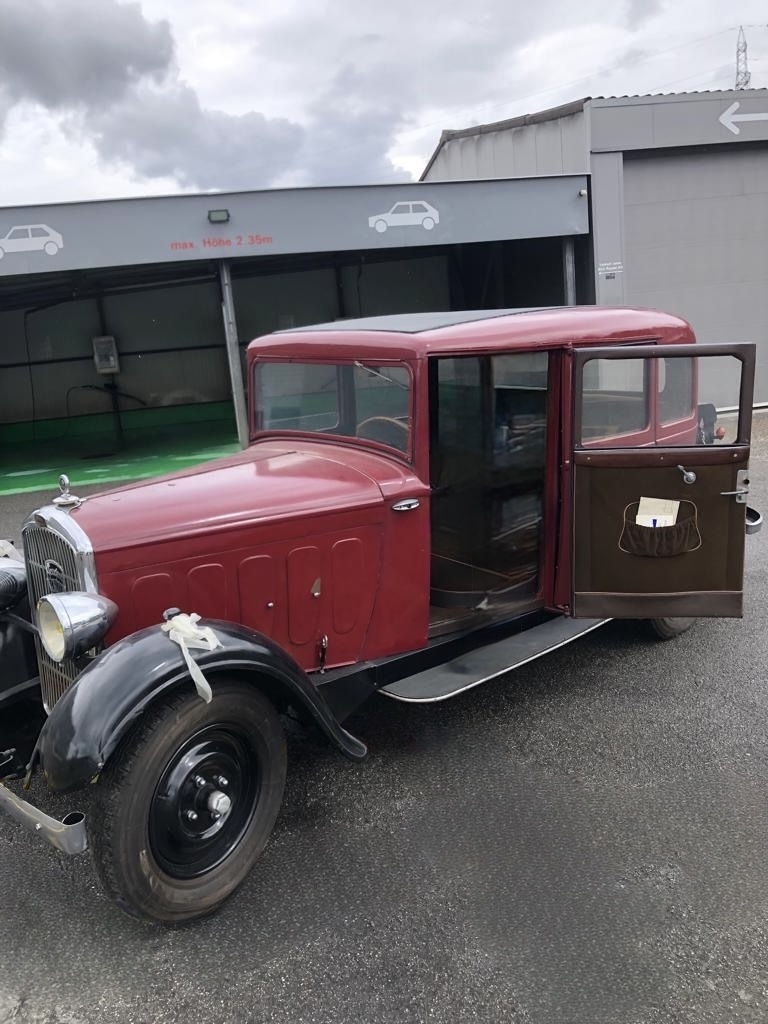
03 After restoration
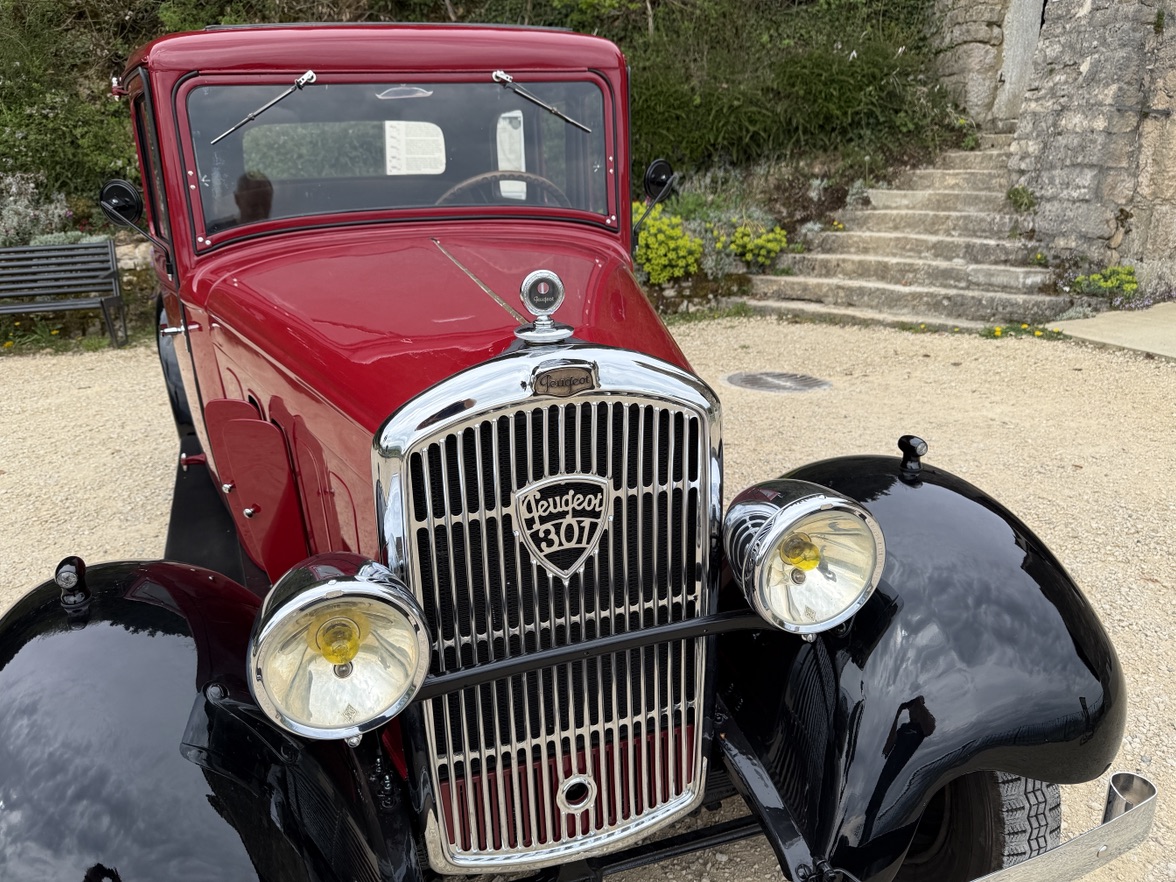
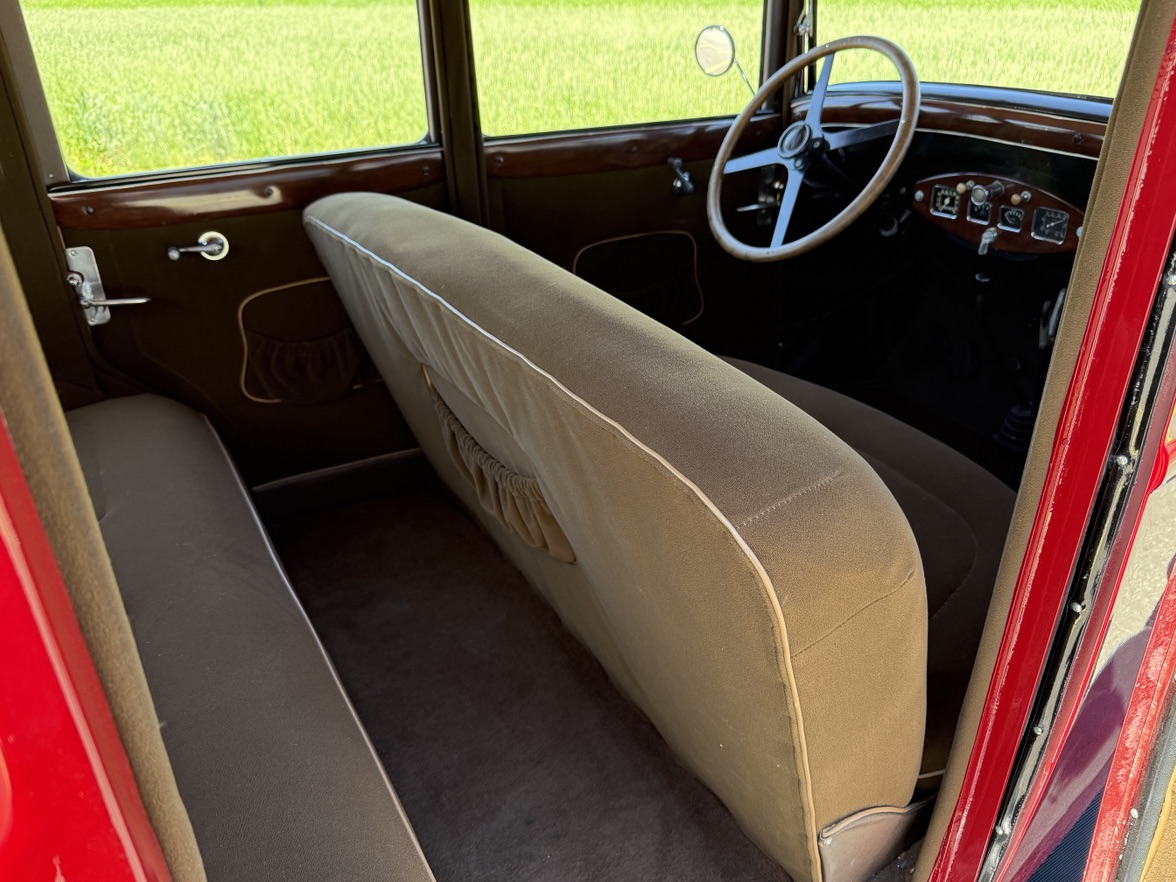
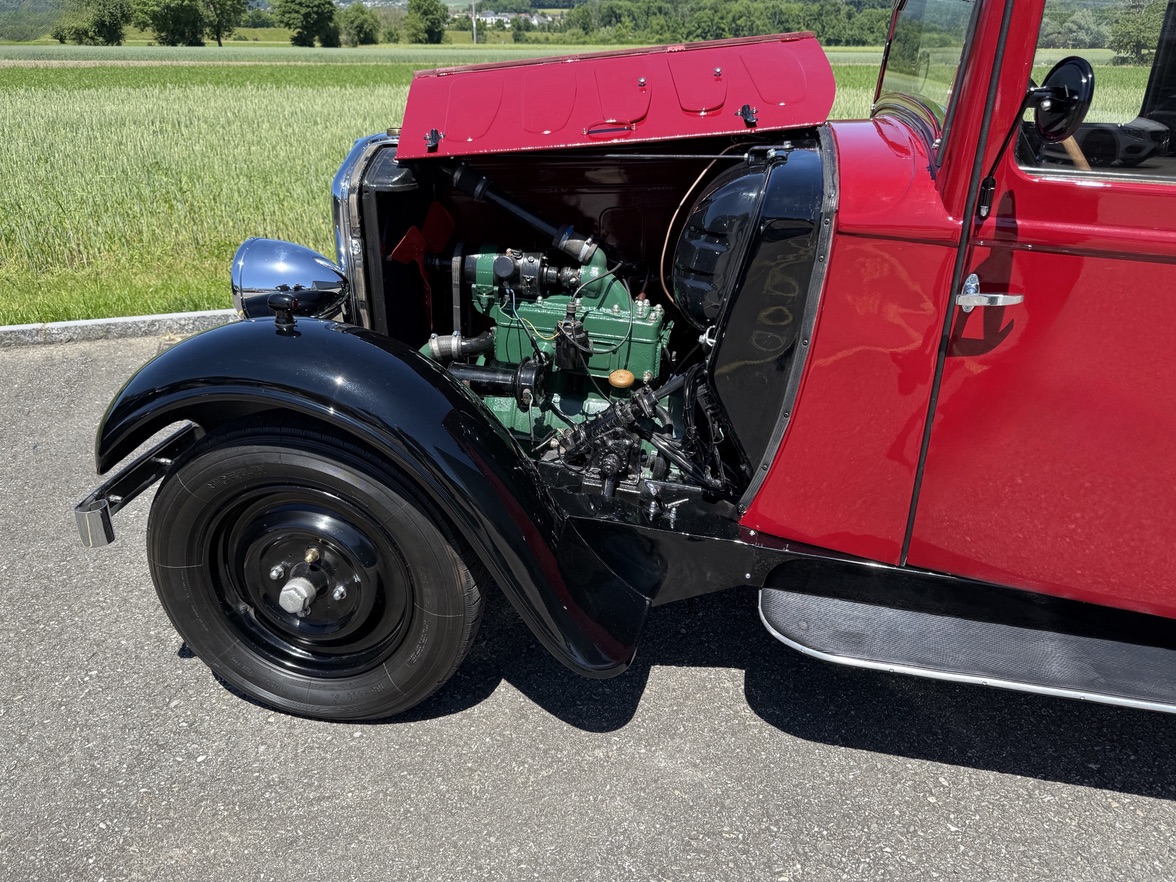
Overview
Production years for this variant · 1932–1933
The 301 C was offered in 1932 and 1933. The early four-door saloon had six side windows and a separate luggage boot. The wider 301 range also included other body styles.
Engine
The Peugeot 301 C was powered by a water-cooled 1,465 cc inline four. Its displacement is more than twice that of the 667 cc NE2 engine in the blue 172 BC.
Gearbox
A three-speed manual gearbox without synchromesh sent power to the rear wheels. Shifts therefore required the driver to match engine and gearbox speeds.
301 C specifications and production
The 301 C was offered in 1932 and 1933. It belongs to a model range that continued through 1936 and came in many body styles. The early six-light saloon is especially distinctive: its boxy profile ends in a separate luggage boot.
Data sheet
- 301 C production years
- 1932–1933
- 301 C production
- 20,729 cars
- Production of the full 301 range
- 1932–1936 · 70,497 cars
- Engine
- Water-cooled inline four · 1,465 cc
- Gearbox and drive
- Three-speed manual gearbox without synchromesh · rear-wheel drive
- Suspension
- Independent front suspension · rear leaf springs
- Tax rating
- 8 fiscal CV for the 301 range
- Body styles
- Saloon · coach · convertible coupé · roadster · fixed-roof or convertible golf coupé
Body styles
The original sheet shows 13 profiles for the 301 C, covering 16 body codes in total. These simplified drawings follow those profiles; they are not to scale and do not show differences in width. “Model year” follows the years explicitly listed in the table; “range” means the 301 C production period, 1932–1933.
-
N3L Six-light saloon, narrow, straight cowl, 1932–1933 (range)
-
N3L2 Six-light saloon, narrow, curved cowl, 1932–1933 (range)
-
N3E / N3S Six-light saloon, wider, curved cowl, 1932–1933 (range)
-
N7L / N7A Four-light saloon, grand luxury, four doors, 1932–1933 (range)
-
N7S Four-light saloon, standard, four doors, 1932–1933 (range)
-
BV2 Luxury coach, two doors, 1932 (model year)
-
BV3 Luxury coach, two doors, 1933 (model year)
-
CL2 Convertible coupé, two doors, 2/4 seats, 1932 (model year)
-
CL3 Convertible coupé, two doors, 2/4 seats, 1933 (model year)
-
TR2 / TR3 Roadster with hood raised, two doors, 2/4 seats, 1932–1933 (model years)
-
CG3 Golf coupé, fixed roof, two doors, four seats, 1932–1933 (range)
-
CD3 Golf convertible coupé, hood raised, two doors, four seats, 1932–1933 (range)
-
FC3 Four-light saloon, luxury, four doors, 1932–1933 (range)
Further reading
Further background on the models. Range-wide figures may not describe the individual car shown here.
Wikipedia article · Peugeot 301 C